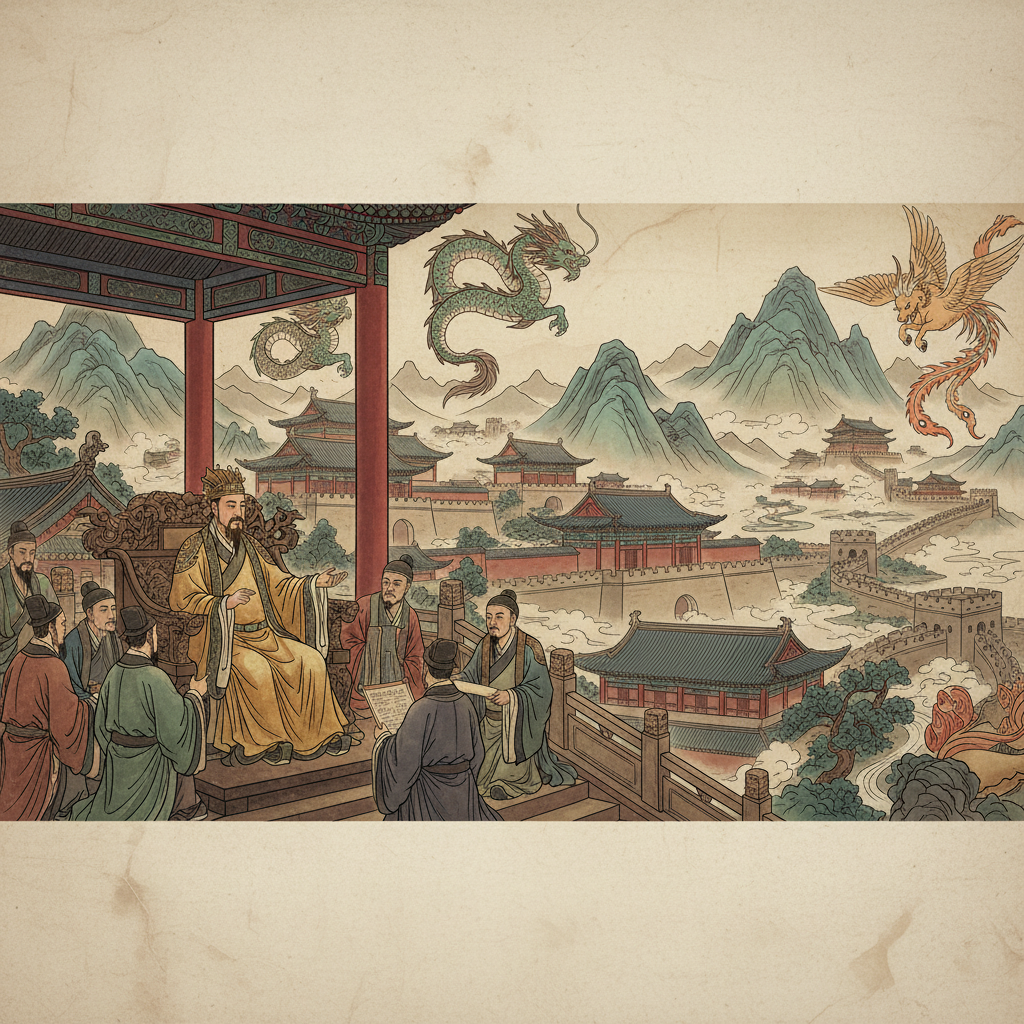
Introduction to Chinese Ancient History
China's ancient history is a tapestry woven with rich narratives, revered philosophies, and powerful dynasties. Spanning thousands of years, this period laid the groundwork for a civilization that continues to influence the world. In this article, we delve into the philosophical legacy of ancient China, exploring how key dynasties and their rulers shaped cultural and intellectual traditions.
The Role of Philosophy in Shaping Dynastic Legacies
Philosophy in ancient China was not merely an academic pursuit; it was integral to governance and daily life. The influential thinkers of the time—most notably Confucius and Laozi—provided moral and ethical frameworks that guided emperors in their rule. Confucianism emphasized social harmony and hierarchical relationships, while Daoism promoted living in harmony with the Dao, or the natural way of the universe.
These philosophical systems found fertile ground during various dynasties. For instance, the Han Dynasty (206 BCE - 220 CE) recognized Confucianism as the official state philosophy, intertwining it with the bureaucratic system. This alignment facilitated a meritocratic approach, emphasizing education and moral rectitude as essential for governance.
The Influence of Key Dynasties on Philosophy and Culture
Throughout its history, China experienced several dynasties that not only influenced political power but also encouraged cultural flourishing. The following dynasties stand out due to their philosophical developments:
The Zhou Dynasty: Foundations of Philosophical Thought
The Zhou Dynasty (1046 - 256 BCE) is often considered the birthplace of Chinese philosophy. It was during this period that the 'Hundred Schools of Thought' emerged, cultivating diverse intellectual ideas. The emergence of Confucianism and Daoism occurred in this era, reflecting the philosophical diversity that would underpin Chinese thought for centuries.
Philosophers like Confucius and Laozi voiced their perspectives on ethics, governance, and the natural world, advocating for moral integrity and virtuous living. Their teachings, recorded in texts such as the "Analects" and the "Tao Te Ching," have had profound impacts, influencing millions and shaping cultural norms within China.
The Tang Dynasty: A Cultural Renaissance
The Tang Dynasty (618 - 907 CE) is renowned for its cultural and philosophical achievements. It served as a melting pot of ideas, where Confucianism, Buddhism, and Daoism coexisted and blended. The dynasty’s emperors supported intellectual pursuits through the establishment of the imperial examination system, which sought to identify and promote talented individuals based on merit rather than birthright.
This era also witnessed the flourishing of literature and art, resulting in some of the most celebrated works in Chinese history. The interplay of philosophy and the arts reflected a broader cultural renaissance that emphasized human experience, spirituality, and the quest for meaning.
Conflicts and Philosophical Evolution
Throughout history, battles and conflicts shaped not only the political landscape of China but also its philosophical discourse. During the Warring States period (475 - 221 BCE), the tumultuous climate prompted an urgent need for stability and ethical governance, leading to a profound evolution in philosophical thought.
Sun Tzu's "The Art of War," for example, not only offered military strategies but also delved into the ethics of warfare and leadership. His insights continue to impact both martial and philosophical realms, illustrating how conflict served as a catalyst for reflection on power, strategy, and morality.
Cultural Festivals: Celebrating Philosophical Heritage
China's historical narrative is infused with festivals that reflect its rich cultural tapestry. Celebrations like the Chinese New Year and the Mid-Autumn Festival showcase philosophical themes of renewal, family, and unity. These events serve as cultural reminders of the teachings of Confucius about filial piety and community cohesion.
Moreover, the emphasis on ancestor worship and familial bonds during these celebrations underscores the importance of societal values instilled by ancient philosophers. The intertwining of philosophy and cultural practices manifests in various art forms, including poetry, calligraphy, and traditional music, echoing the thoughts of ancient sages.
Conclusion: The Lasting Impact of Ancient Philosophies
The legacy of ancient Chinese philosophy is profound, continuing to permeate modern life in China and beyond. From the teachings of Confucius and Laozi to the cultural expressions found in art and festivals, the philosophical ideas birthed during ancient dynasties have endured.
Understanding this legacy allows us to appreciate not only the historical trajectory of China but also the philosophical underpinnings that shape contemporary ethical discussions. As we explore these ancient legacies, we recognize their lasting significance in our shared human experience, influencing not just governance and culture but the very essence of how we seek harmony and meaning in our lives.