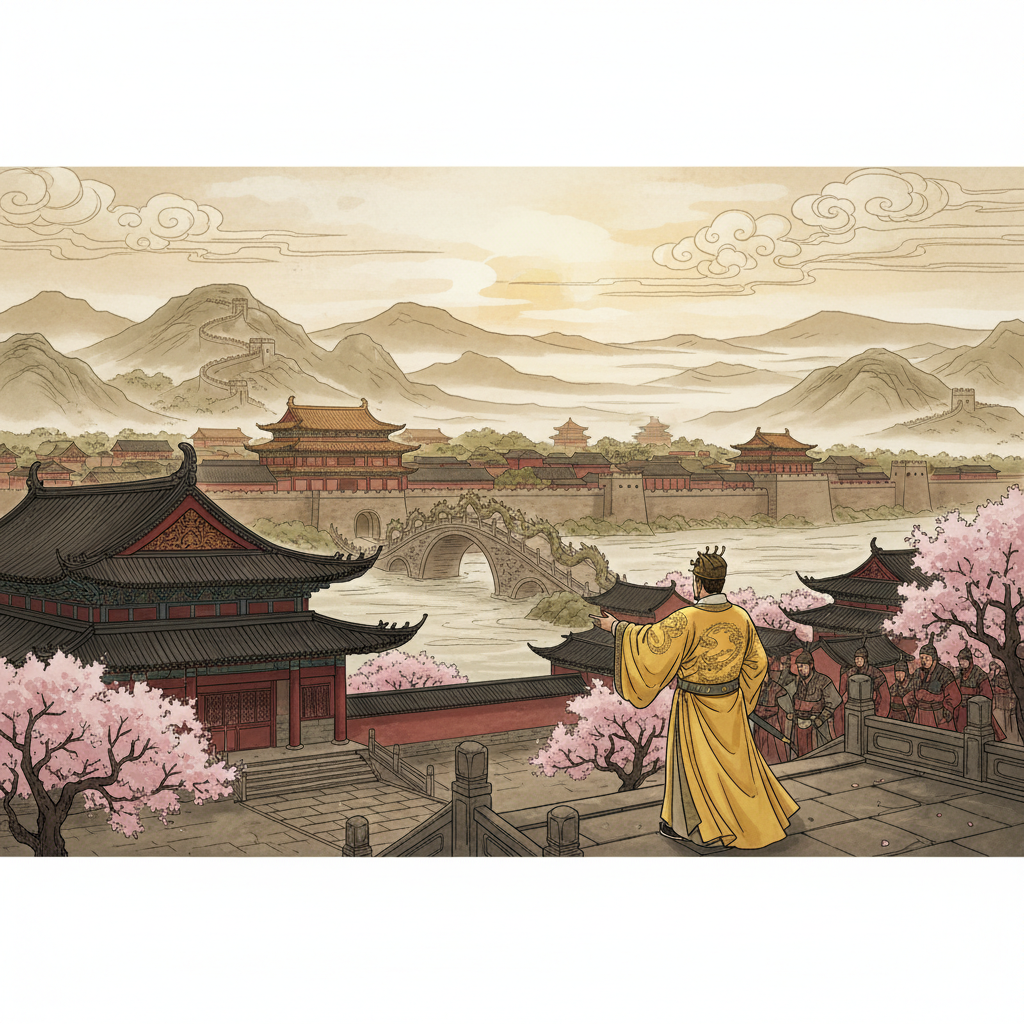
The Birth of Dynasties: A Historical Overview
The history of ancient China is deeply intertwined with its dynastic cycles, where periods of prosperity and decline shaped the nation's identity. The concept of dynasties in Chinese history dates back to the Xia Dynasty (c. 2070–1600 BCE), often considered the first ruling dynasty, though its historicity is debated. This era marked a transition from mythological tales to structured governance, with rulers claiming divine authority.
Dynasties were not merely political regimes; they were cultural epochs that influenced philosophy, art, technology, and societal structures. Understanding these dynasties helps elucidate the progression of China's rich heritage and its philosophical undercurrents that still resonate today.
The Major Dynasties: From Qin to Ming
Among the most significant dynasties, the Qin (221–206 BCE) stands out for unifying China and laying down the bureaucratic framework that would guide future emperors. Emperor Qin Shi Huang's reign saw the construction of the Great Wall and the Terracotta Army, symbols of China's historical resilience.
Following the Qin, the Han Dynasty (206 BCE–220 CE) marked a golden age characterized by expansive trade routes, such as the Silk Road. Innovations in papermaking and advancements in science and technology flourished, extending China's influence far beyond its borders.
The Tang (618–907) and Song (960–1279) Dynasties are celebrated for their cultural and artistic achievements. The Tang era is known as a high point of Chinese civilization, where poetry, painting, and ceramics reached unparalleled heights. Conversely, the Song Dynasty is famous for economic growth, urbanization, and further technological advancements, including the introduction of gunpowder.
Finally, the Ming Dynasty (1368–1644) is often remembered for its strong maritime expeditions led by Admiral Zheng He and for its exquisite blue-and-white porcelain. Each dynasty contributed to the tapestry of China's historical narrative, leaving lasting legacies that continue to shape the cultural landscape.
The Emperors: Rulers and Figureheads
The emperors of China were pivotal in shaping the political and social structure of the dynasties. These rulers were often considered the "Sons of Heaven," an assertion of their divine right to rule. The most notable emperors, such as Qin Shi Huang, Liu Bang (Emperor Gaozu of Han), and Kublai Khan of the Yuan Dynasty, exemplified the intermingling of political ambition and cultural patronage.
Qin Shi Huang's authoritarian rule set a precedent that influenced the governance style of future emperors, while Emperor Wu of the Han Dynasty expanded the empire's territory and promoted Confucianism as the state philosophy. Kublai Khan, on the other hand, introduced a synthesis of Mongolian and Chinese traditions, leading to a unique cultural exchange.
These figures did not merely rule; they served as symbols of the dynastic ethos. Their decisions impacted warfare, public infrastructure, and the arts, fundamentally shaping Chinese identity through the ages.
Battles and Conquests: The Art of Warfare
Wars and battles played a crucial role in the rise and fall of dynasties throughout Chinese history. The famous Warring States period before the Qin unification illustrates the tumultuous nature of power struggles. Battles during this era often involved strategic innovations and the first uses of mass conscription and logistics planning.
During the Han Dynasty, military prowess was on full display in the conquest of the Xiongnu tribes, solidifying the Silk Road for commerce. The Tang Dynasty, too, faced numerous military challenges, including the An Lushan Rebellion, which significantly altered its trajectory.
Military tactics and strategies chronicle the evolution of warfare in ancient China, showcasing not just the capability for conflict but also the philosophical and moral dimensions surrounding battle. Military texts, such as Sun Tzu's "The Art of War," reflect the depth of strategy and the importance of warfare in statecraft.
Cultural Achievements: Art, Philosophy, and Innovation
The ancient dynasties of China are also celebrated for their immense contributions to culture and the arts. Confucianism, Daoism, and later Buddhism shaped philosophical discourse, nurturing ethics and values that resonate through time.
In the realm of arts, calligraphy, poetry, and painting reached new heights during the Tang and Song Dynasties. Artists and poets received imperial patronage, leading to cultural flourishing. The Song Dynasty is particularly noted for its advancements in landscape painting, reflecting a growing appreciation for nature and the human experience.
Additionally, technological innovations such as the printing press during the Song Dynasty laid the groundwork for greater literacy and cultural exchange. These cultural evolutions not only enriched the Chinese society but also left a lasting impact on the world.
Conclusion: The Legacy of Ancient Dynasties
The ancient dynasties of China encapsulate a rich tapestry of history that shaped not only China but also influenced civilizations worldwide. From the authority of emperors to the philosophical underpinnings of governance, warfare, and culture, each dynasty contributed uniquely to a legacy that continues to captivate historians, scholars, and enthusiasts alike.
Understanding this intricate history allows us to appreciate the grandeur of ancient China and its lasting allure, reminding us that the lessons of the past are vital in shaping our future. As we delve into these eras, we uncover not just facts and events but the essence of a culture that has endured through millennia.