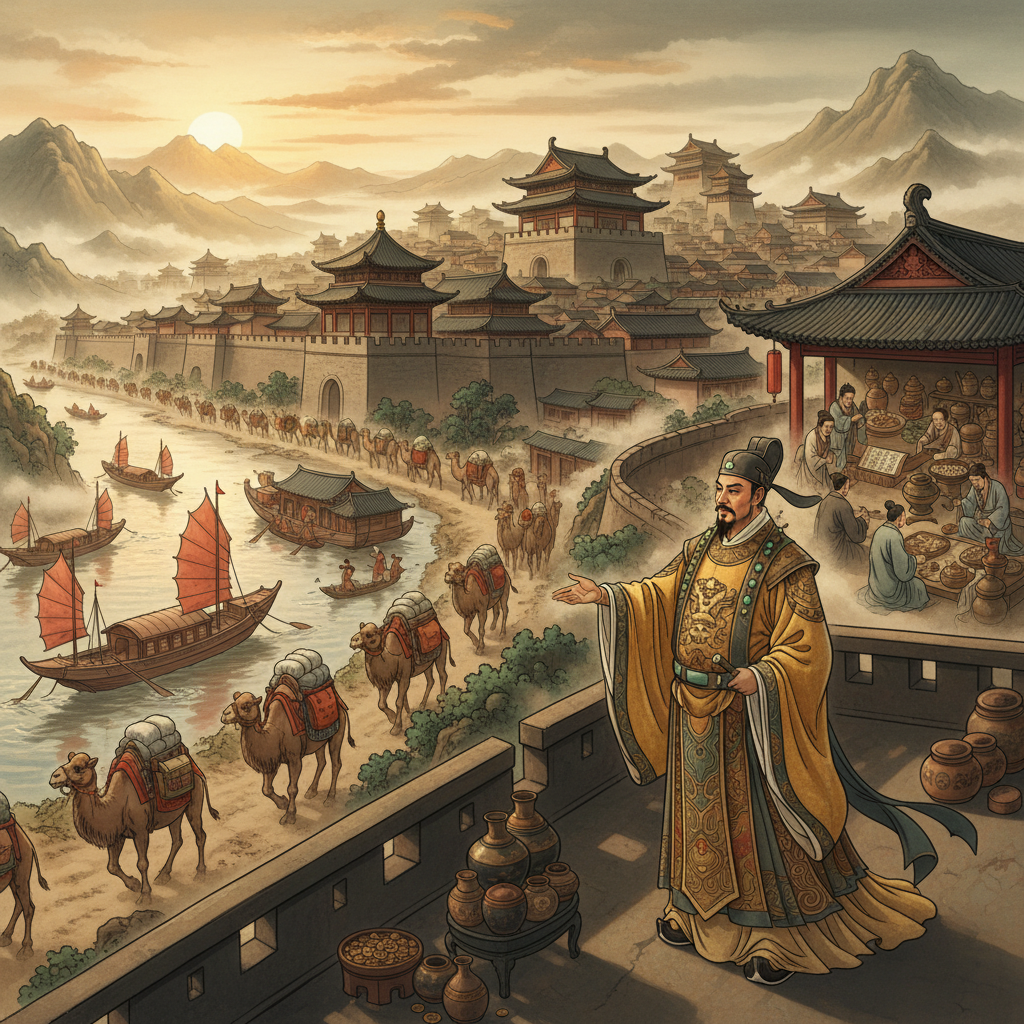
The Foundation of Ancient Chinese Trade
Trade has played a pivotal role in the development of China's ancient dynasties, acting as a catalyst for economic growth, cultural exchange, and the establishment of political power. From the Shang Dynasty (circa 1600-1046 BC) to the Ming Dynasty (1368-1644 AD), the evolution of trade practices not only shaped the nation’s economy but also influenced its culture, social structure, and international relationships.
During the Shang Dynasty, early forms of trade emerged, primarily revolving around agricultural products and basic crafts. The development of bronze metallurgy facilitated the creation of valuable goods, leading to increased trade with neighboring regions. This early trading activity paved the way for more sophisticated commerce as subsequent dynasties established extensive trade routes.
The Silk Road: A Pathway of Trade and Culture
One of the most significant trade routes in ancient history, the Silk Road, emerged during the Han Dynasty (206 BC-220 AD). Stretching over 4,000 miles, this complex network of trade routes linked China with the Mediterranean world, fostering the exchange of goods, ideas, and technologies. Silk, the most sought-after commodity, was not only a symbol of luxury and status in China but also served as a vital export that generated immense wealth.
In addition to silk, the Silk Road facilitated the exchange of various other goods, including spices, precious metals, and textiles. However, its significance extended beyond material exchange. The route became a cultural crossroads, allowing for the spread of Buddhism, art, literature, and innovations, profoundly influencing both China and the civilizations it connected with.
Emperors and Their Trade Policies
Throughout Chinese history, various emperors recognized the importance of trade in solidifying their power and promoting national prosperity. For instance, Emperor Wu of the Han Dynasty actively promoted commerce by dispatching envoys to the Western regions, enhancing diplomatic relationships that opened up new trade opportunities. His policies were instrumental in formalizing trade agreements and establishing control over the Silk Road trade routes.
Similarly, during the Tang Dynasty (618-907 AD), trade flourished under Emperor Taizong’s rule. The government's support for merchants and investment in infrastructure, such as roads and ports, greatly enhanced the capacity for trade. This period saw cities like Chang’an thriving as bustling trade hubs, drawing merchants from all over the world, thereby enriching Chinese culture through diverse influences in art, cuisine, and philosophy.
Cultural Impact of Trade on Ancient China
The cultural implications of trade in ancient China are profound and far-reaching. As different goods and ideas flowed into China, cultural exchanges led to the evolution of Chinese literature, art, and cuisine. For instance, the introduction of foreign spices and cooking methods transformed Chinese culinary practices, resulting in a rich tapestry of flavors that are characteristic of Chinese cuisine today.
The arts flourished as well, with the influx of foreign styles encouraging innovation in painting, pottery, and textiles. The Tang Dynasty, for example, is often considered China's golden age for both trade and culture, with poetry and painting reaching new heights of sophistication. This era's cultural legacies continue to influence Chinese identity and aesthetics.
Key Battles and Their Trade Consequences
Ancient Chinese history is marked by numerous battles that shaped trade dynamics. The subsequent rise and fall of dynasties were often influenced by control over trade routes and resources. The Battle of the Fei River during the Southern Dynasties (420-589 AD) resulted in the rise of the Southern empire, which expanded trade across the region, enhancing commerce with Southeast Asia.
Similarly, during the Song Dynasty (960-1279 AD), military conflicts with neighboring states often dictated trade policies and territorial expansions. The Song’s focus on maritime trade instead of land-based routes allowed them to interact with distant markets, laying the groundwork for a robust, global trade network.
Conclusion: The Legacy of Trade in Ancient China
The intertwining of trade with ancient Chinese dynasties created a complex legacy that has significantly shaped China’s historical narrative and cultural identity. By understanding these connections, it becomes clear that trade was not merely an economic activity but a powerful force that influenced political power, cultural exchanges, and technological advancements. The rich tapestry of China's trade history highlights a civilization that was, and continues to be, deeply interconnected with the world.
As we delve into ancient Chinese history, it becomes evident that the lessons of trade’s impact resonate even today, underscoring the timeless importance of commerce in fostering relationships, prosperity, and cultural richness.