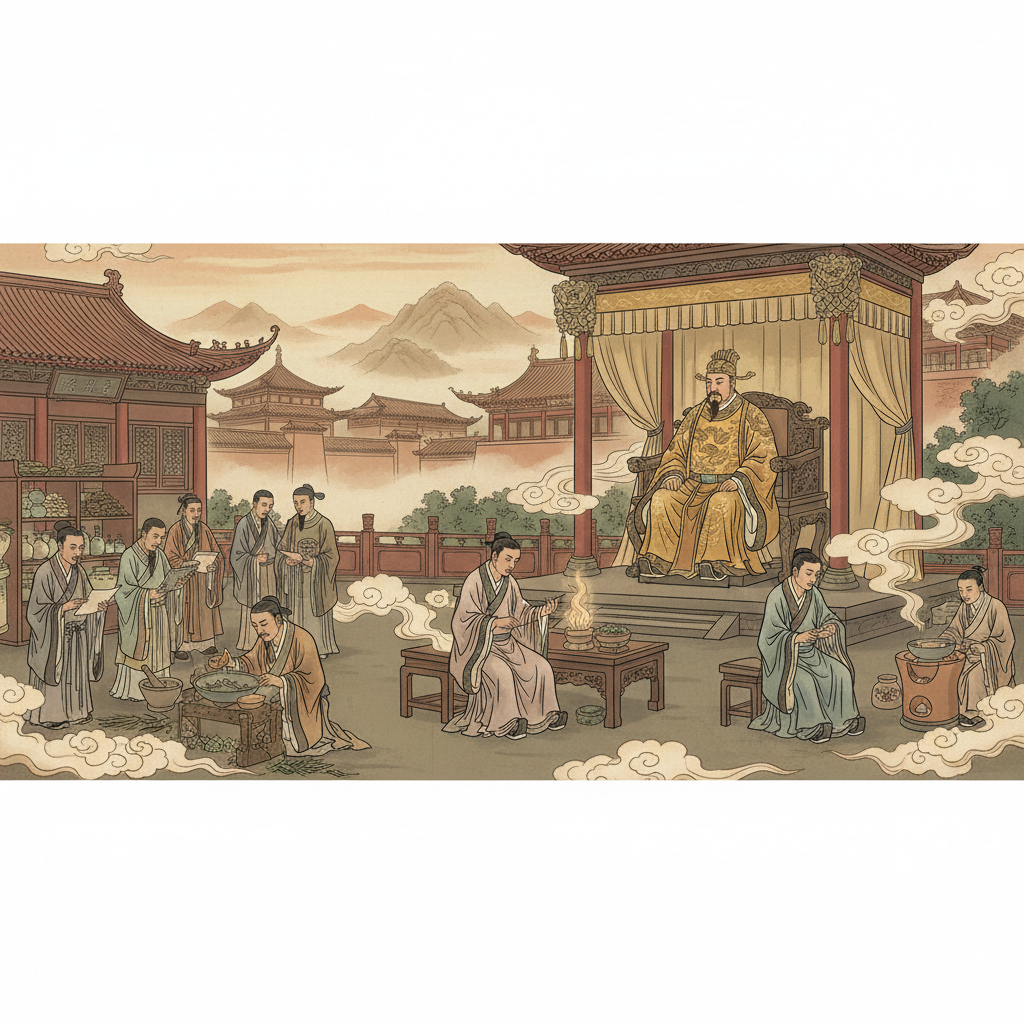
The Foundations of Ancient Chinese Medicine
Ancient Chinese medicine (ACM) is a holistic healing system that has evolved over thousands of years, deeply rooted in the cultural, philosophical, and social fabrics of its time. Tracing back to the Shang Dynasty (c. 1600-1046 BCE), the foundations of Chinese medicine are intertwined with mythology and early medical texts that set the stage for understanding the body's natural balance. The concept of Qi (vital life force) and the philosophy of Yin and Yang became pivotal in health practices, emphasizing harmony with nature.
The first known medical text, the "Huangdi Neijing" (Yellow Emperor's Inner Canon), emerged during the Han Dynasty (206 BCE-220 CE) and marked a significant turning point. It explored the principles of diagnosis and treatment through a comprehensive system that integrated acupuncture, herbal medicine, and dietary therapy, forming the bedrock of traditional Chinese medicine.
Dynasties and Medical Evolution
As various dynasties rose and fell, they played crucial roles in the evolution of Chinese medicine, reflecting the socio-political climate and cultural advancements of their times.
During the Tang Dynasty (618-907 CE), known for its openness to foreign influences, the practice of medicine flourished. Tang physicians advanced surgical techniques and refined acupuncture practices, fostering an environment of innovation. The establishment of the first governmental medical institution, known as the "Taiji Hospital," signified the importance of professional medical practice.
In contrast, the Song Dynasty (960-1279 CE) saw an explosion of medical literature and academic institutions, leading to a more formalized approach to medical education. The introduction of medical examinations standardized practices and encouraged the documentation of herbal pharmacopoeias, expanding the use of medicinal plants that are still utilized today.
Emperors as Advocates of Health
Throughout Chinese history, emperors played pivotal roles in promoting and supporting medical practices. The famous Emperor Huangdi is often referred to as the “Father of Medicine.” His legendary conversations in the "Huangdi Neijing" provided principles that framed medical understanding for centuries, reinforcing the view that health is a balance requiring ongoing practice and vigilance.
Furthermore, the Empress Dowager Cixi during the Qing Dynasty (1644-1912) was an advocate for both traditional and Western medicine, reflecting China's transitional health landscape. Her recognition of the importance of continuous medical advancements showed a willingness to adapt, which became essential as the country faced foreign invasions and domestic turmoil.
Notable Figures and Medical Practices
Amongst the many influential figures, Sun Simiao, known as the "King of Medicine" during the Tang Dynasty, stands out for his ethical approach to treatment and commitment to the patient’s well-being. Sun's "Prescriptions Worth a Thousand Gold" compiled hundreds of medicinal recipes and emphasized the importance of understanding the human body as a holistic unit.
Acupuncture, one of the most recognized practices, gained ground in the late Han period, where practitioners began to explore its efficacy in pain management and vitality. This ancient technique involved the insertion of fine needles at specific points along the body's meridians to restore balance.
Additionally, herbal medicine became increasingly sophisticated, with thousands of recorded substances and formulations reflective of the rich biodiversity of China. The use of ginseng, chrysanthemum, and licorice roots bolstered the healing narratives found throughout Chinese culture.
Cultural Significance of Ancient Healing Practices
The cultural significance of these ancient practices extends beyond mere health benefits; they encapsulate philosophies that stress harmony and balance. Ancient Chinese medicine embodies a worldview where human beings are seen not as separate entities but as integral parts of the broader universe.
Traditional Chinese medicine (TCM) practices are a testament to an enduring connection between cultural heritage and modern medical understandings. They have inspired various contemporary health systems globally, leading to integrative approaches that marry traditional wisdom with Western methodologies.
Legacy and Modern Influence
Today, Chinese medicine continues to thrive both within and outside China. The World Health Organization recognizes traditional practices, including acupuncture, as valid therapeutic approaches, encouraging a global resurgence of interest. Moreover, the integration of TCM principles in contemporary wellness practices showcases an enduring legacy that links ancient philosophies with modern health trends.
In conclusion, ancient Chinese medicine is not merely a historical topic but an evolving practice influenced by dynasties, emperors, notable figures, and cultural narratives. It serves as a vibrant reminder of how historical understanding shapes modern well-being and health practices, transcending time and geographic limitations.