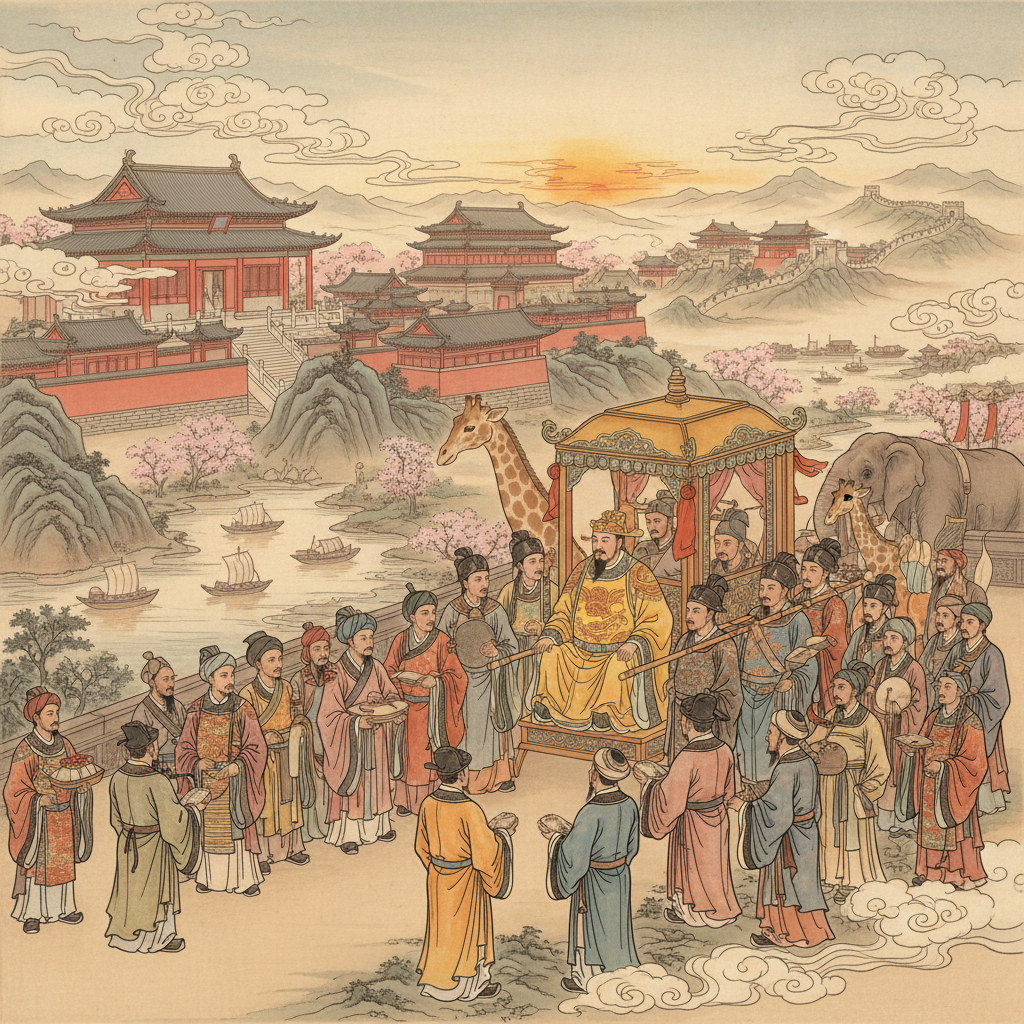
The Foundations of Chinese Diplomacy: A Historical Overview
Understanding the foundations of Chinese diplomacy requires a look into its ancient history, where complex relations with neighboring states were established as early as the Shang (c. 1600-1046 BCE) and Zhou (c. 1046-256 BCE) dynasties. These early interactions laid the groundwork for a system of tribute and alliance that would influence diplomatic relationships well into the imperial eras. Confucius emphasized harmony and respect in relationships, promoting ideas of proper conduct that underscored diplomatic engagements.
The Zhou dynasty marked the beginning of a feudal system, creating a network of vassal states that vied for power. The concept of "hegemondiya" (dominance through moral authority) became a hallmark of diplomacy, setting the stage for how later dynasties approached foreign relations. This tapestry of early diplomatic practices reveals the importance of legalism and ethical governance as threads woven into the fabric of Chinese political culture.
The Han Dynasty: Expanding Diplomatic Horizons
The Han Dynasty (206 BCE - 220 CE) is often heralded as a golden period for diplomacy and cultural exchange. It was during this time that formal diplomatic missions began to flourish, most notably with the exploration of the Silk Road—a network of trade routes connecting the East and West. Han emperors engaged in a "peace through trade" strategy, seeking to establish strong ties with Central Asian states. The envoy Zhang Qian is famously known for his explorations that not only brought back valuable goods but also opened channels of communication with the West.
Through these efforts, Buddhism was introduced to China, integrating into the fabric of Chinese cultural identity. The mutual exchange of ideas, technologies, and philosophies created a rich cultural milieu, demonstrating the potency of diplomacy in fostering mutual understanding and cross-cultural influences.
The Tang Dynasty: An Era of Cultural Flourishing
The Tang Dynasty (618 - 907 CE) is often described as a high point of Chinese civilization, marked by unprecedented diplomatic activity and cultural flourishing. During this era, the capital city of Chang'an became a cosmopolitan hub where diplomats, scholars, and traders from various cultures converged. The Tang's diplomatic strategies involved not only military might but also cultural patronage, fostering relationships with neighboring regions such as Korea, Japan, and the Mongolian tribes.
One of the most significant diplomatic episodes of the Tang era was the exchange of envoys with Japan, leading to profound cultural influences. Japanese learners traveled to China to study governance, Confucian philosophy, and Buddhist teachings, establishing an enduring legacy of Sinicization. The Tang dynasty's openness to foreign ideas reflects an important aspect of its diplomatic practice: cultural exchange as a means of soft power.
The Song Dynasty: From Diplomacy to Mercantilism
The Song Dynasty (960 - 1279 CE) saw a shift from military aggression to mercantile diplomacy. As the threat of the Mongols and other nomadic tribes increased, the Song court adopted a strategy termed "peaceful coexistence," preferring trade and negotiation over outright military conflict. This shift not only reduced the cost of military engagements but also facilitated significant economic exchange, as Chinese goods started to flow into Southeast Asia and beyond.
The policies of the Song dynasty promoted a thriving economy driven by trade and commerce, laying the foundation for what would later be referred to as the "commercial revolution" in China. This period witnessed a unique blend of diplomacy and economics, with merchants becoming prominent figures in fostering international relations, showcasing how economic interest intertwined with diplomatic efforts.
Cultural Diplomacy: Art, Literature, and Beyond
Cultural exchange in ancient China was not merely confined to trade and political alliances; it encompassed art, education, and philosophy, which played vital roles in diplomatic relations. The imperial court became a center for artistic expression, where poetry, painting, and music served as cultural ambassadors.
Notably, during the Ming Dynasty (1368 - 1644 CE), emperors such as Yongle sent emissaries on grand maritime expeditions, led by the famed Admiral Zheng He. These voyages exemplified the Ming’s diplomatic outreach, promoting trade, cultural understanding, and establishing Chinese influence well beyond its borders. Zheng He's fleet showcased Chinese naval innovation and became symbolic of the fusion of diplomacy and cultural exchange.
Conclusion: The Enduring Legacy of Chinese Diplomacy
The history of diplomacy in ancient China reveals a multilayered narrative of cultural, political, and economic exchange. From the establishment of tributary systems during the Zhou dynasty to the flourishing of cross-cultural interactions in the Tang and Song dynasties, ancient diplomacy was a testament to how relationships were cultivated beyond mere statecraft. The significance of these diplomatic endeavors persists today, shaping modern international relations and the understanding of cultural diplomacy. As we reflect on these historical legacies, it becomes clear that the art of negotiation and cultural exchange was foundational to the enduring influence of China on the world stage.