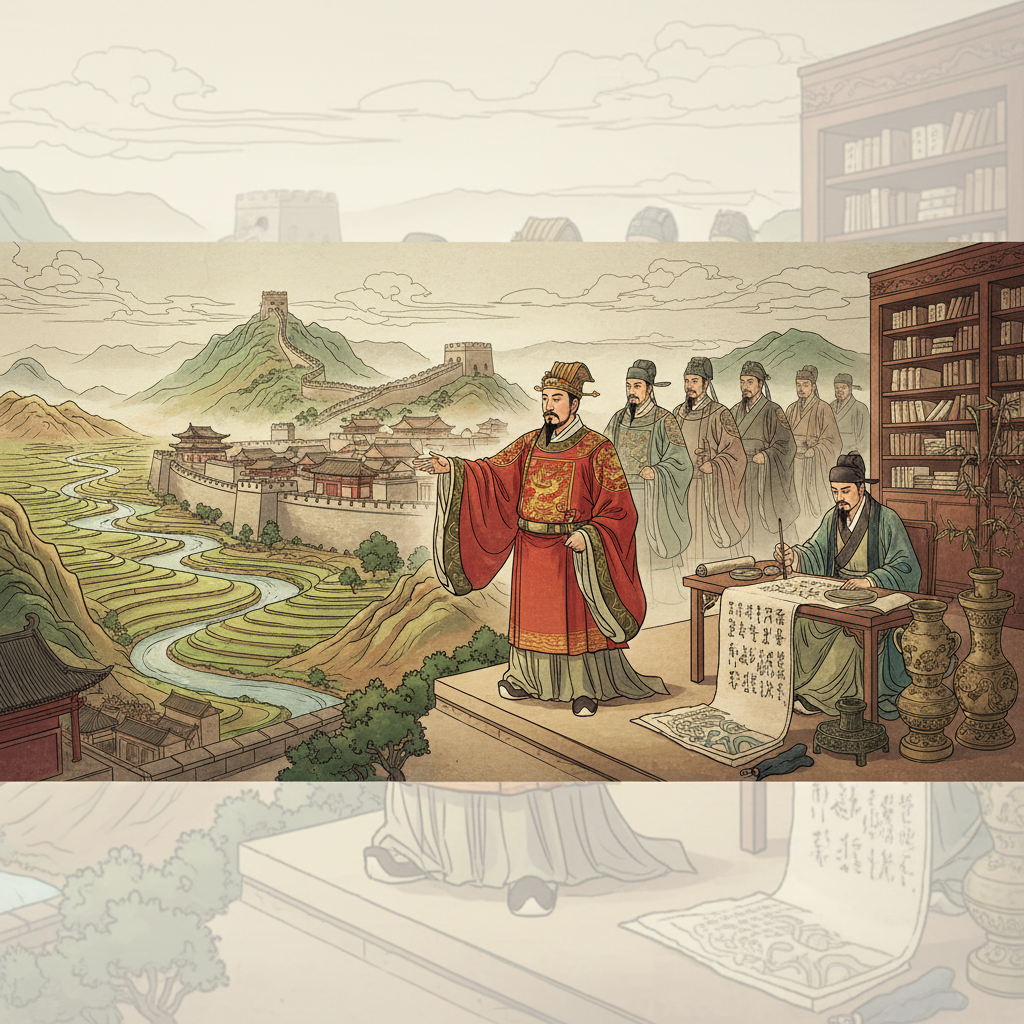
Introduction to Ancient Chinese History
The history of ancient China is a captivating narrative that unfolds over thousands of years, marked by the rise and fall of great dynasties and influential emperors. From the legendary Xia Dynasty to the imperial grandeur of the Qing Dynasty, China's ancient history is deeply intertwined with its artistic achievements, philosophical advancements, and social transformations. This journey explores the significant dynasties, notable emperors, landmark battles, and the enduring cultural contributions that shaped one of the world's oldest civilizations.
The Major Dynasties of Ancient China
China's civilization began with the Xia Dynasty (circa 2070-1600 BCE), often considered the first dynasty in traditional Chinese historiography. However, it was during the Shang (1600-1046 BCE) and Zhou Dynasties (1046-256 BCE) that significant sociopolitical structures were established. The Zhou's feudal system laid the groundwork for the concept of the "Mandate of Heaven," which justified the emperor's right to rule.
The unification of China in 221 BCE under the Qin Dynasty marked a pivotal moment. Emperor Qin Shi Huang, known for his ruthless leadership, centralized power and initiated monumental projects like the Great Wall and the Terracotta Army. Following the Qin, the Han Dynasty (206 BCE-220 CE) emerged, heralding an era of cultural expansion and innovation, notably in art and literature, accompanied by the establishment of the Silk Road—an essential trade route for cultural exchange.
Subsequent dynasties, such as the Tang (618-907) and Song (960-1279), further enriched China's cultural landscape. The Tang Dynasty is often regarded as a golden age of art and poetry, with figures like Li Bai and Du Fu rising to prominence. In contrast, the Song Dynasty is renowned for its developments in painting, ceramics, and foot-binding, reflecting social changes and aesthetic preferences.
Influential Emperors and Their Legacy
Throughout ancient Chinese history, numerous emperors left indelible marks on the country’s cultural and artistic legacy. One of the most revered emperors, Han Wu Di (141-87 BCE) of the Han Dynasty, expanded the empire's territory and facilitated cultural exchanges along the Silk Road, influencing art, philosophy, and trade.
The Tang Dynasty's Emperor Taizong (626-649) is another notable figure. His reign is characterized by military expansion and the flourishing of the arts. Taizong encouraged the production of literature and refined painting techniques, which would set the standard for future generations.
Qing emperors such as Kangxi (1661-1722) and Qianlong (1735-1796) also fostered the arts, allowing traditional Chinese painting and calligraphy to reach new heights. The legacy of these emperors is evident in the exquisite artifacts and artistic techniques that are still celebrated today.
Battle Tactics and Military Innovations
The history of China's ancient battles is as rich as its cultural heritage. Historical texts, such as "The Art of War" by Sun Tzu, reveal strategic insights that influenced not only military tactics in China but also entire civilizations around the world. During the Warring States period (475-221 BCE), innovations like crossbows and organized foot soldiers transformed battle tactics, allowing states to vie for dominance.
The famous Battle of Changping (260 BCE), fought between the Qin and Zhao states, exemplifies the sheer scale and logistical complexity of ancient Chinese warfare. Qin's victory, secured through encirclement and attrition, demonstrated the effectiveness of strategic planning and resource management in military conquests.
These battles often had significant cultural implications, as they shifted power dynamics and influenced artistic representations of valor and heroism. The victors commissioned artworks and literature celebrating their successes, thus engraining their legacy in cultural memory.
The Cultural Significance of Ancient Art
Art in ancient China served as a reflection of societal values, philosophical beliefs, and political dynamics. The evolution of Chinese art is marked by varying styles, materials, and methods, deeply imbued with cultural significance.
During the Shang Dynasty, oracle bone inscriptions evidenced the early beginnings of Chinese writing and provided insight into early belief systems concerning divination and ancestors. The Han Dynasty's exquisite painted pottery and silk artworks illustrate the importance of craftsmanship and aesthetic appeal in daily life.
Furthermore, Chinese ink painting emerged during the Tang Dynasty, embodying a unique integration of poetry, philosophy, and natural beauty. This form of artistic expression continues to influence contemporary art. The Song Dynasty is known for its landscape paintings that capture the essence of nature and evoke philosophical contemplations, an approach that remains a hallmark of Chinese art today.
Conclusion: The Lasting Influence of Ancient China
The rich tapestry of ancient Chinese history is woven with tales of dynasties, emperors, and cultural advancements that resonate even in modern society. The legacy of these civilizations is not only a testament to their historical achievements but also a continuous source of inspiration for contemporary art and culture. As we delve into the intricate stories of ancient China, we unearth profound insights into human creativity, resilience, and the enduring quest for beauty and meaning.