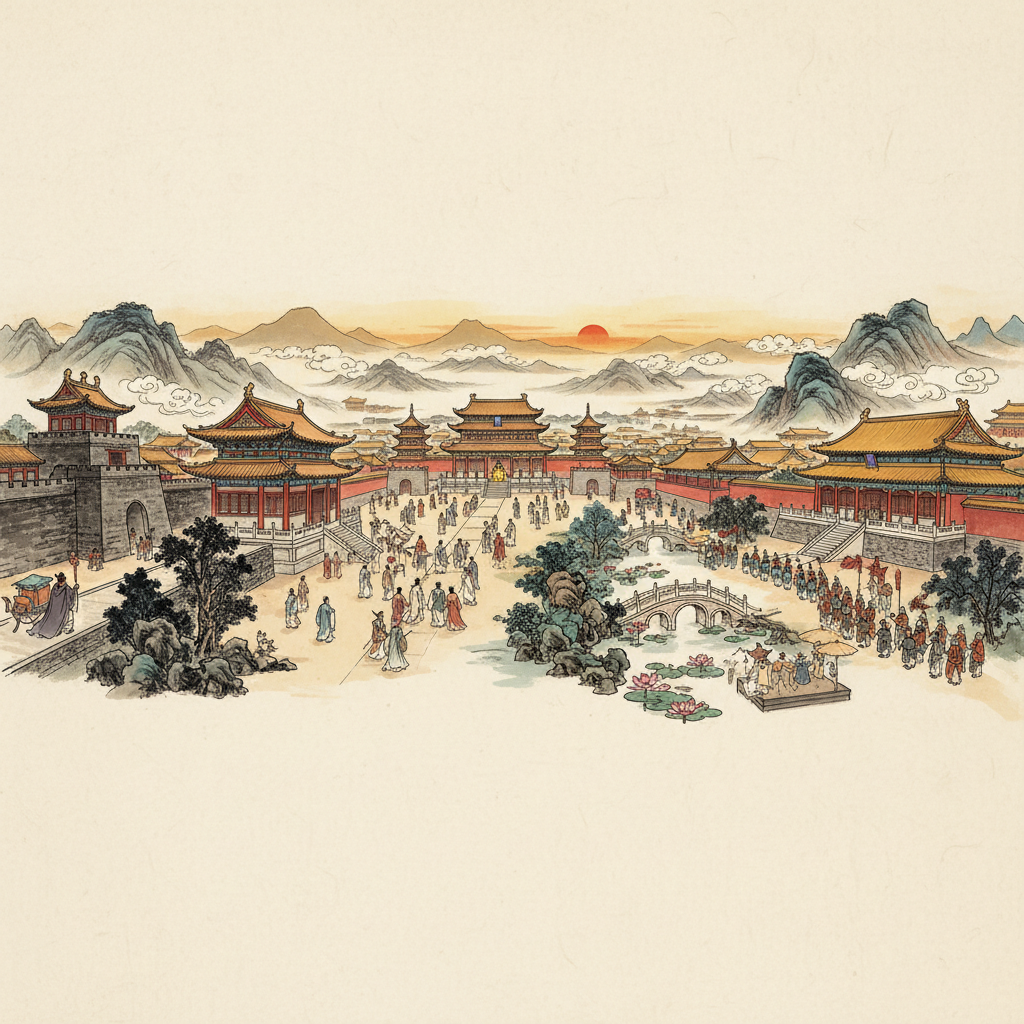
Introduction to Ancient Chinese Architecture
Ancient China boasts a rich tapestry of history that is vividly illustrated through its architecture. From monumental palaces to sacred temples, the buildings constructed throughout the dynastic eras provide critical insights into the cultural and political ethos of the times. Understanding these architectural styles not only unravels the practicalities of ancient construction but also reflects the philosophical and religious beliefs of Chinese civilization over millennia.
Defining Architectural Styles: Dynasties Over Time
Chinese architectural design evolved significantly from the early dynasties like the Xia (c. 2070-1600 BCE) to the last imperial dynasty, the Qing (1644-1912). Each period contributed uniquely to the overall aesthetic and functionality of structures.
-
Xia, Shang, and Zhou Dynasties (c. 2070-256 BCE)
During this era, architecture focused on communal living and ritualistic structures. The earliest forms of architecture were primarily constructed of wood, with intricate thatched roofs. The concept of ancestor worship led to the construction of large ancestral halls, foundational for later architectural advances. The Zhou Dynasty introduced the principles of symmetry and axial alignment that remained constants in later designs. -
Qin and Han Dynasties (221 BCE-220 CE)
These dynasties marked a turning point in architectural advancements, heavily influenced by military necessities and cultural enlightenment. The Qin Dynasty is famed for the Terracotta Army, while the Han Dynasty saw the introduction of the first large-scale brick and stone structures. The development of urban planning during this time laid down the blueprint for many cities, utilizing grid patterns that would become characteristic of Chinese urban architecture.
Notable Emperors and Their Architectural Legacies
Various emperors played pivotal roles in consolidating architectural grandeur throughout Chinese history.
-
Emperor Qin Shi Huang (259-210 BCE)
Qin Shi Huang, the first emperor of a unified China, is renowned for the Great Wall and his mausoleum, which houses the Terracotta Army. These ambitious projects not only demonstrated the emperor's power but also served various functions—military defense alongside ancient beliefs in the afterlife. -
Emperor Xuanzong of Tang (685-762 CE)
During the Tang Dynasty, Emperor Xuanzong transformed the capital, Chang’an, into a thriving hub. He promoted the architectural style characterized by vibrant colors, intricately carved wood, and grand hall designs. The pagoda emerged as a significant architectural form during this period, providing a structure for religious activities and reflecting Buddhist influences.
Iconic Architectural Marvels: Temples, Pagodas, and Palaces
Beyond emperors, many iconic structures showcase the ingenuity of ancient Chinese architecture:
-
The Forbidden City
Constructed from 1406 to 1420 during the Ming Dynasty, the Forbidden City in Beijing is a stunning example of palatial architecture. Its vast courtyards, grand halls, and striking rooflines symbolize the imperial authority and the importance of the emperor's role. The meticulous planning and aesthetic harmony reflect Confucian ideals emphasizing order, hierarchy, and balance. -
The Temple of Heaven
Also in Beijing, the Temple of Heaven was built during the Ming Dynasty as a place for emperors to pray for good harvests. Its circular shape represents heaven, while the square base symbolizes the earth, encapsulating the ancient Chinese worldview of balance between these two realms.
Cultural Significance of Architecture in Ancient China
The architectural achievements of ancient China go beyond mere construction; they represent cultural values, religious beliefs, and societal organization. The orientation of buildings in relation to the cardinal directions was crucial, as it resonated with feng shui principles intimately linked to harmony and energy flow. Moreover, architecture served as a means of remembering historical events, with structures often constructed as memorials or grand tributes to dynastic successes and failures.
Preservation and Modern Interpretations
Much of the cultural heritage represented by ancient Chinese architecture has been preserved and continues to influence modern designs. Landmark restoration projects and the integration of traditional styles in contemporary buildings show the enduring legacy of these ancient structures. For instance, modern skyscrapers may adopt traditional motifs while utilizing advanced engineering to create sustainable, high-tech facilities grounded in historical significance.
Conclusion: The Echo of Time in Chinese Architecture
The architectural landscape of ancient China is not merely a relic of the past; it is an enduring symbol of a civilization's sophistication and cultural depth. Each dynasty has left an indelible mark on the architecture of the nation, providing insights into the past's ethos and aesthetics. As we traverse through ancient sites and explore their stories, we witness not just the splendor of brick and wood, but the echoes of an entire civilization’s journey through time.