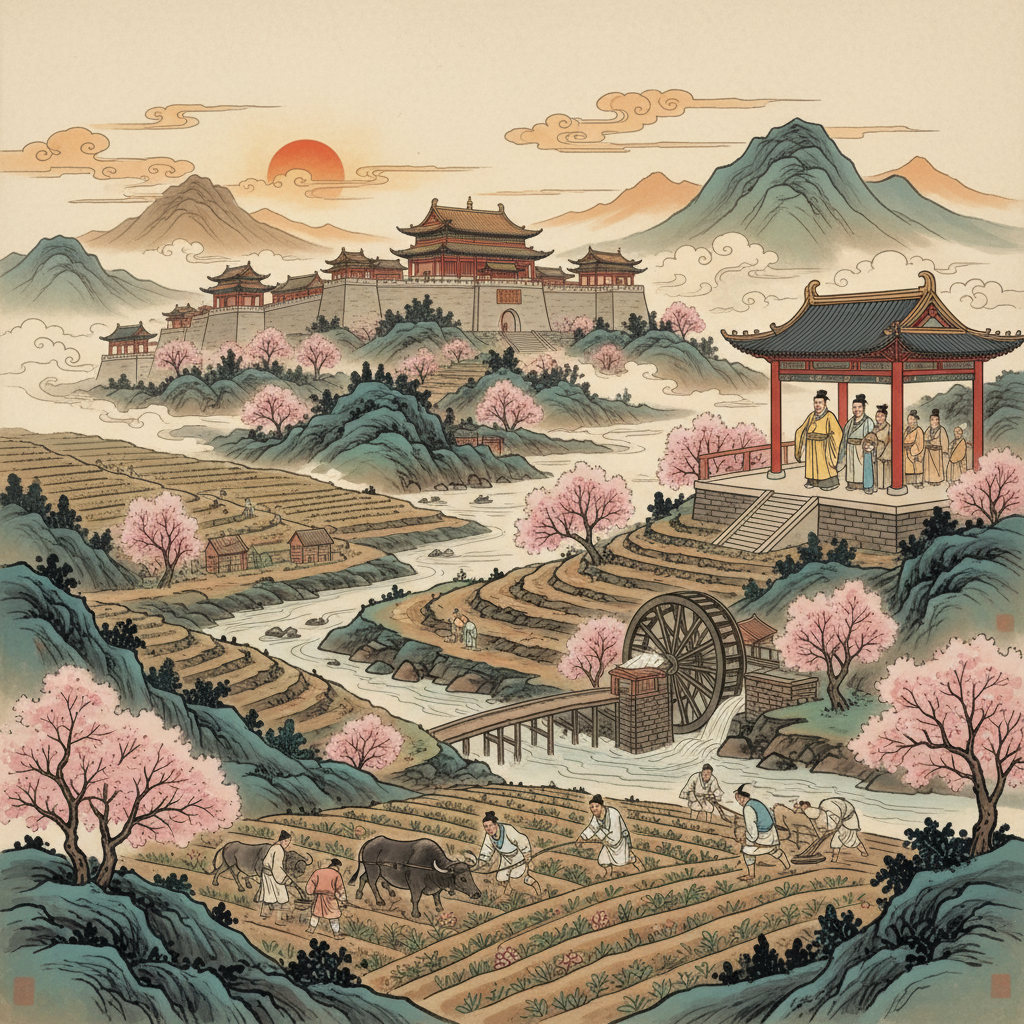
The Roots of Chinese Agricultural Traditions
Agriculture has been the cornerstone of Chinese civilization for thousands of years, providing sustenance, economic stability, and cultural depth. The fertile plains of the Yellow River and the Yangtze River have nurtured generations, allowing the growth of dynasties and the flourishing of culture. The significance of agriculture in ancient China extends far beyond mere food production; it played a pivotal role in shaping societal structures, rituals, and even the political landscape.
Major Dynasties and Their Agricultural Innovations
Throughout Chinese history, several dynasties made remarkable contributions to agricultural practices. The Shang Dynasty (circa 1600-1046 BCE) is one of the earliest documented periods where farming techniques began to flourish. It was during the Zhou Dynasty (1046-256 BCE) that agrarian reforms were implemented, leading to advancements in irrigation and crop rotation.
The Qin Dynasty (221-206 BCE), known for unifying China, also introduced state-sponsored agricultural programs to boost food production. The Han Dynasty (206 BCE-220 CE) further innovated with plow designs and seed drills, and it was during their reign that the idea of cooperative farming began to take root, forming a bond among communities.
Agricultural Practices and Their Cultural Impact
As agriculture evolved, so did the cultural practices surrounding it. The Chinese agrarian calendar was intricately tied to the seasons, dictating festivals, religious ceremonies, and community gatherings. The Spring Festival, for example, marked the start of the planting season and was celebrated with traditions that emphasized prosperity and good fortune.
Rice, wheat, and millet became staples in the diet, influencing culinary practices and leading to diverse regional cuisines. Additionally, agricultural prosperity allowed the arts to flourish, paving the way for innovations in poetry, painting, and philosophy. Seasonal changes inspired literati and artisans, leading to a rich tapestry of cultural expression deeply rooted in agricultural life.
The Role of Agriculture in Political Stability
Throughout various dynasties, leaders understood the importance of agriculture for maintaining political power. A stable food supply meant a stable populace, preventing famines that could lead to rebellion. The Song Dynasty (960-1279) is a notable example where enhanced agricultural productivity, thanks to advances in irrigation and importation of new rice strains from Southeast Asia, resulted in increases in population and urbanization.
The government imposed land reforms aiming to prevent the concentration of land among the wealthy elite, thus fostering a more equitable society. This helped solidify the connection between agricultural health and political stability, as a well-fed populace was less prone to dissent.
Notable Agricultural Battles and Responses
The importance of agriculture in ancient China was highlighted during periods of conflict. The devastating battles during the Three Kingdoms period (AD 220-280) illustrated how critical control over fertile lands was for military success. War often stemmed from the desire to seize agricultural territories, reinforcing the link between land, power, and survival.
Dynasties also faced natural disasters that could decimate crops and lead to societal collapse. The response to such challenges involved the development of extensive irrigation systems and granaries, designed to store surplus food for times of need. This resilience not only ensured survival but also reinforced the authority of the ruling class.
Modern Reflection on Ancient Agricultural Practices
Today, the legacy of ancient agricultural practices can be observed in modern Chinese farming techniques and rural lifestyles. With a population that still places emphasis on agriculture, many traditional farming methods are adapted but still honored. Festivities like the Mid-Autumn Festival celebrate harvests, echoing centuries of agricultural history.
Moreover, from an environmental perspective, ancient wisdom concerning sustainable farming practices remains relevant in discussions about contemporary agricultural challenges. The interdependence between land and culture continues to shape modern values, highlighting the enduring impact of agriculture in Chinese society.
In conclusion, ancient Chinese agriculture was more than just a means of subsistence; it was a foundational pillar that influenced political stability, cultural richness, and social harmony. Understanding its impact provides valuable insights into the complexities of Chinese civilization and its remarkable endurance through history.